, by Ragman

The Suindune Rag

A neighbourly flyer with news and sundry writings from Swindon in Anglish.

Having a Hoot in Swindon
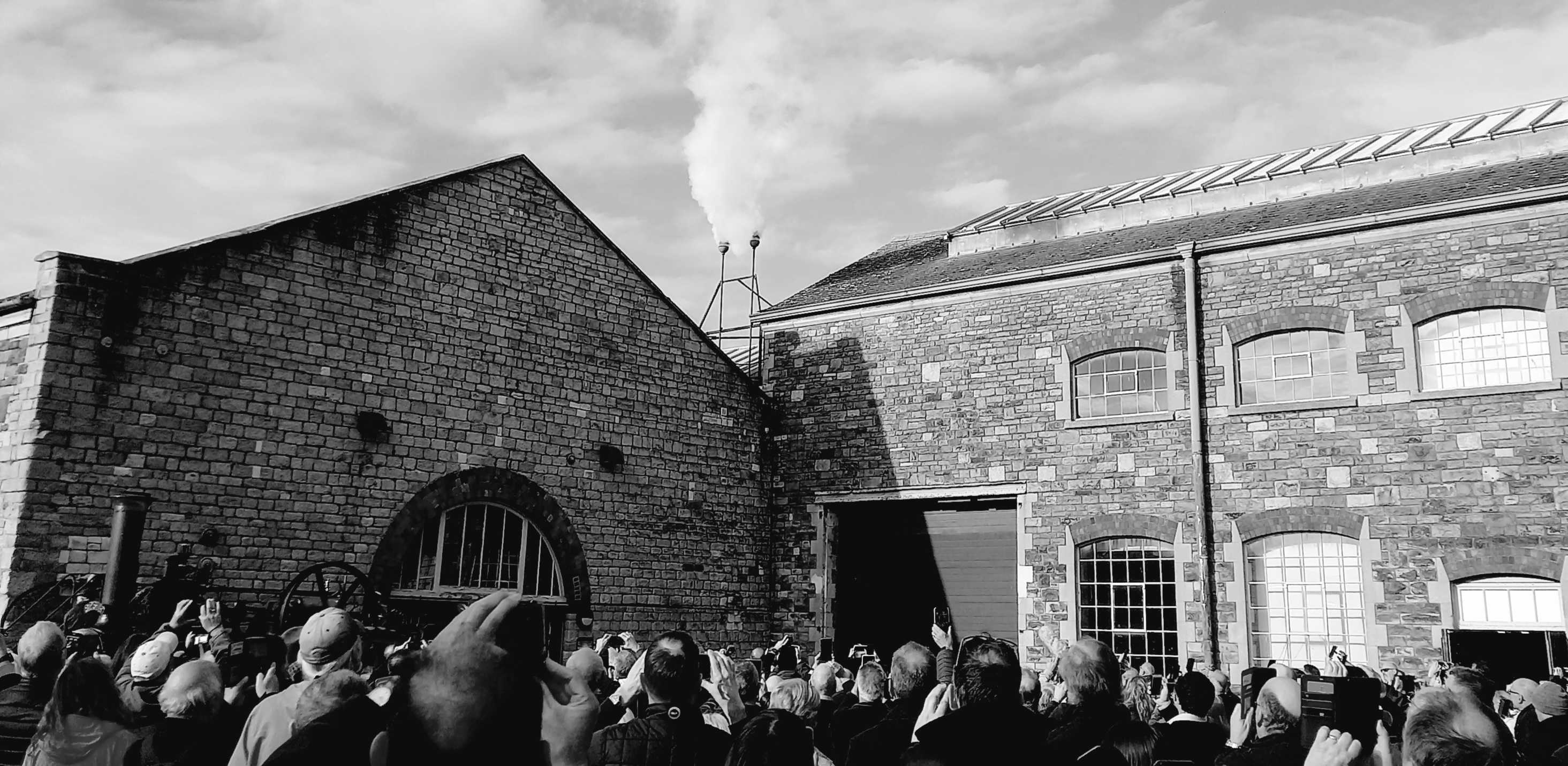
Steam rising from the hooter on the roof of an old brick built building. The backs of heads in the crowd can barely be seen at the bottom.
The hooter blasting at the old works (now Steam), 2026. Ragman

5, 4, 3, 2, 1! The folk called out, and then came the blast.

Right as it was forty years since the hooter last sounded that it was home time, we heard it again. It whistled like a great kettle and made a shimmering wind that I felt through my body. Steam rose as it lasted for maybe thirty beats.

Once upon a time, a hooter sounded every morning and evening at the steam works in Swindon. It called folk to start work and later told them to down tools. It could be heard from far around until the works closed in 1986. To mark the day this time, they had another steam-wagon sound the hooter likewise.

A friend of mine from Wroughton went to the works in the 70s as a beginner-worker to learn the trade. He told me that if you heard the hooter in the morning while you were still on your way in, you had to be there in ten or the higher ups would be upset with you.

If you turned up late, the door would be shut and you'd have to knock. When they let you in your name would be written down so that you'd miss out on niceties. You wouldn't get your daily bread and drink for free, nor would you get your go riding at the front of the wagon. Rightly, you got to ride to Reading and back again. He also told me that if the wind was right, you could hear the hooter over the hill in Wroughton.

In Even Swindon, right next to the works, the workers would be home right after the hooter sounded. Another friend of mine said that back then all the family right down to the dog knew what the hooter meant: dad was coming home.

Steam has a setup that will last the whole year to mark the shutting down called The Last Blast.
Hoots and Toots

The hooter could be from Toothill and still you can hear the wagons tooting as they chug passed on the Great Western. It is often said that Toothill is named for all this sound, but what is the truth?

This writing tells the words of Frances Bevan, who says that she lore of Toothill goes back further than the Great Western. Bevan says the word is from old english and it means 'lookout hill'. It doesn't show his workings, so I looked into it myself.

Toothill is named in the ledgers of the Wiltshire and Swindon Archive. I can only see the outlines, not the whole of the ledgings, but there is one from 1661 that says the ownership of Toothill passed from one hand to the next.

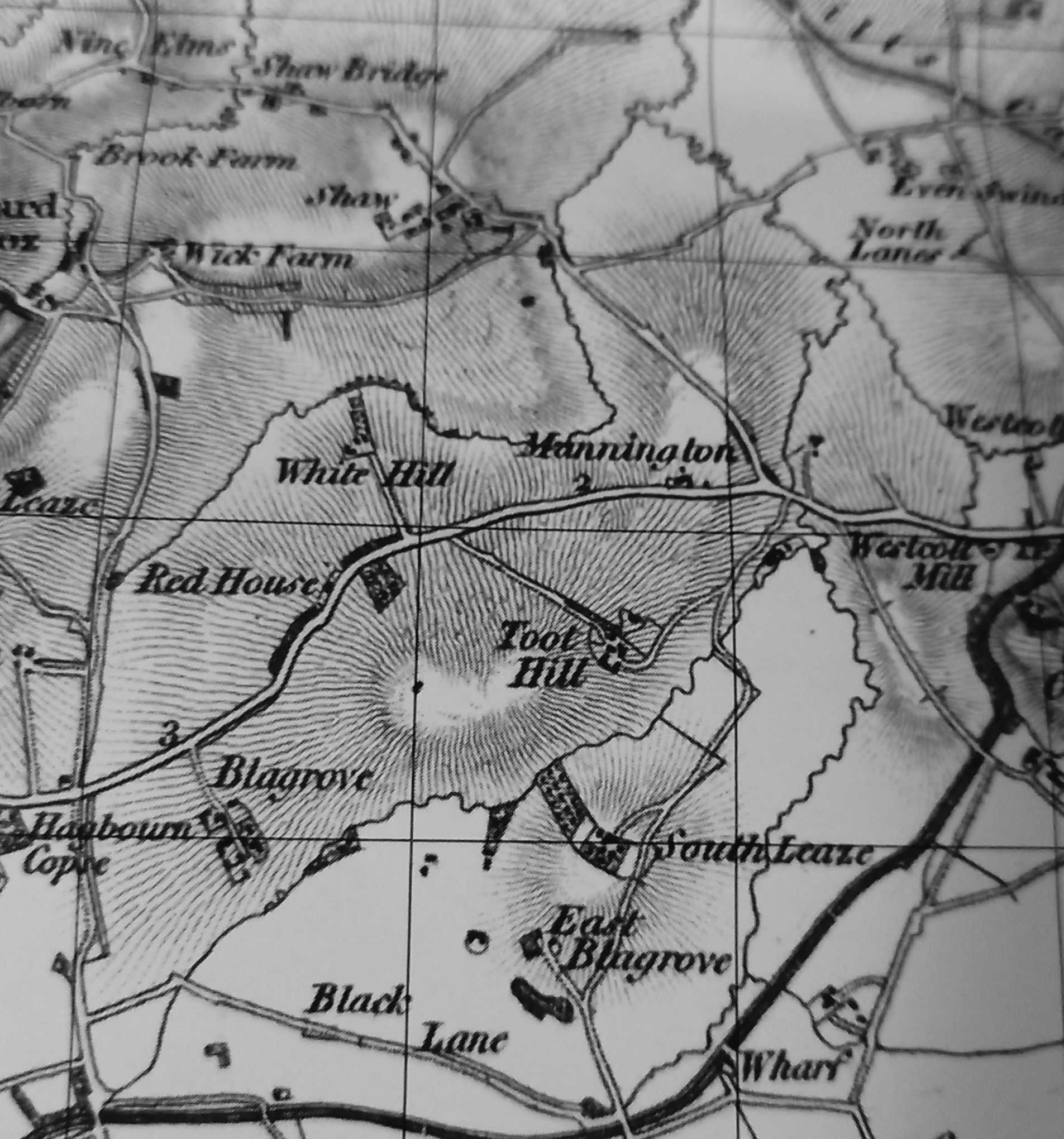
On the oldest likenesses of the land by Ordnance Survey shows Toothill farm, but not the Great Westen.

A birds-eye likeness of the land around Toothill.
Toothill on the 'Ordnance Survey Old Series (173)', 2026.

The name Toothill may not have come from the tooting sounds at first but if that's what it means to people nowadays, then I think that the passing toots are now at least a little bit of what it means.

Easer Sunrise at Old Holy Rood

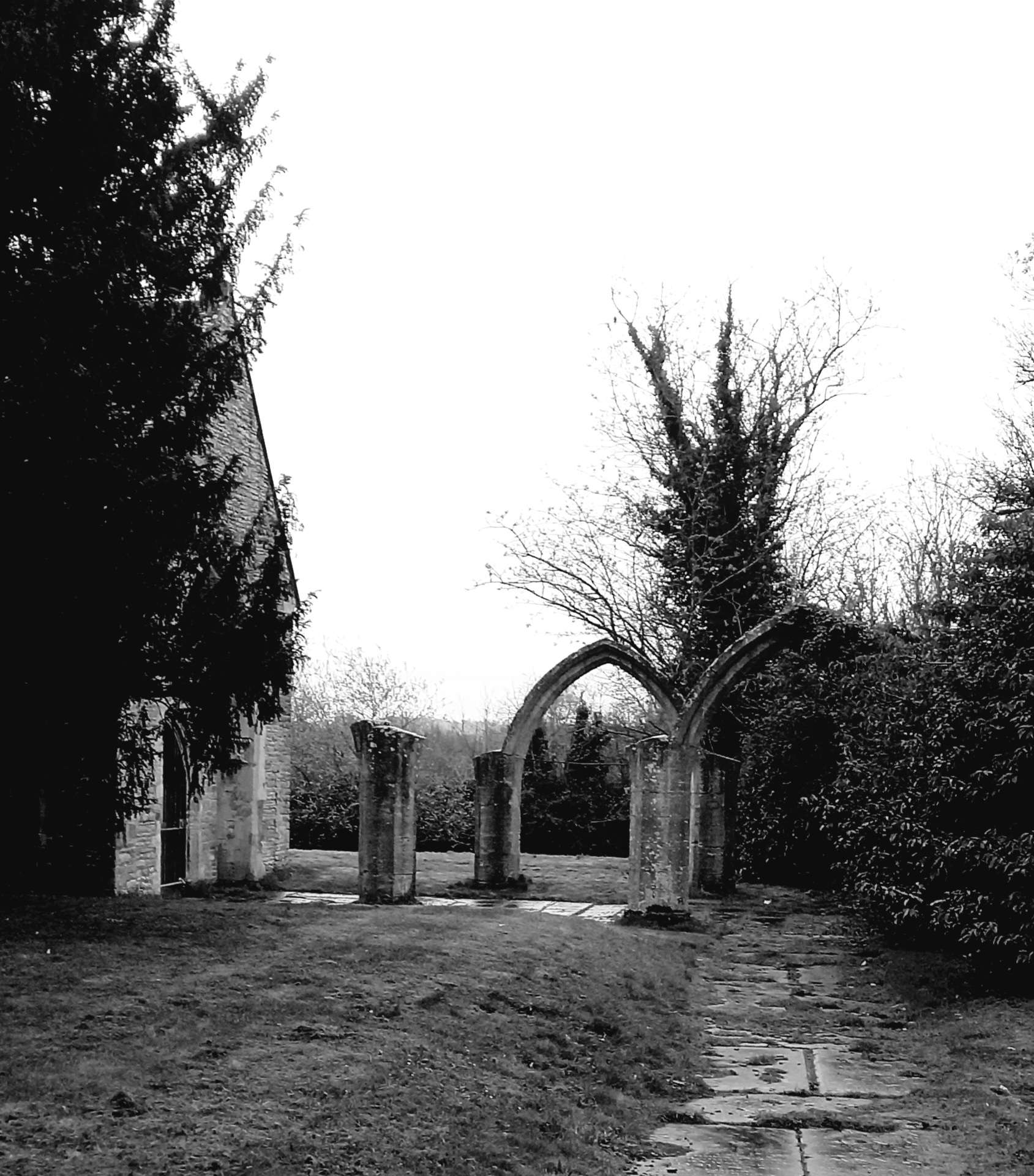
The wreck of two bowtopped doorways next to an old church mostly hidden by trees.
Looking over the gate at the old Holy Rood church, 2026. Ragman

Every year on Easter day a cluster of churches in Old Town have a sunrise meeting together at the old Holy Rood church in Lawn Woods.

Holy Rood on the Lawns was Swindon's main church until Christchurch was built in 1851. It was next to the big house of the Goddards (the lords of Swindon). The house isn't there any more and a lot of the church was knocked down as well. There is still a small church up on what folk once called 'Nob Hill' for the highborn family that lived there.

Wrecks from when the church was bigger can still be seen. The church now isn't in good standing and doesn't often hold meetings. The sunrise meeting this Easter was held outside as the church isn't safe to go in. Hopefully work can be done to bing it back up to scratch.

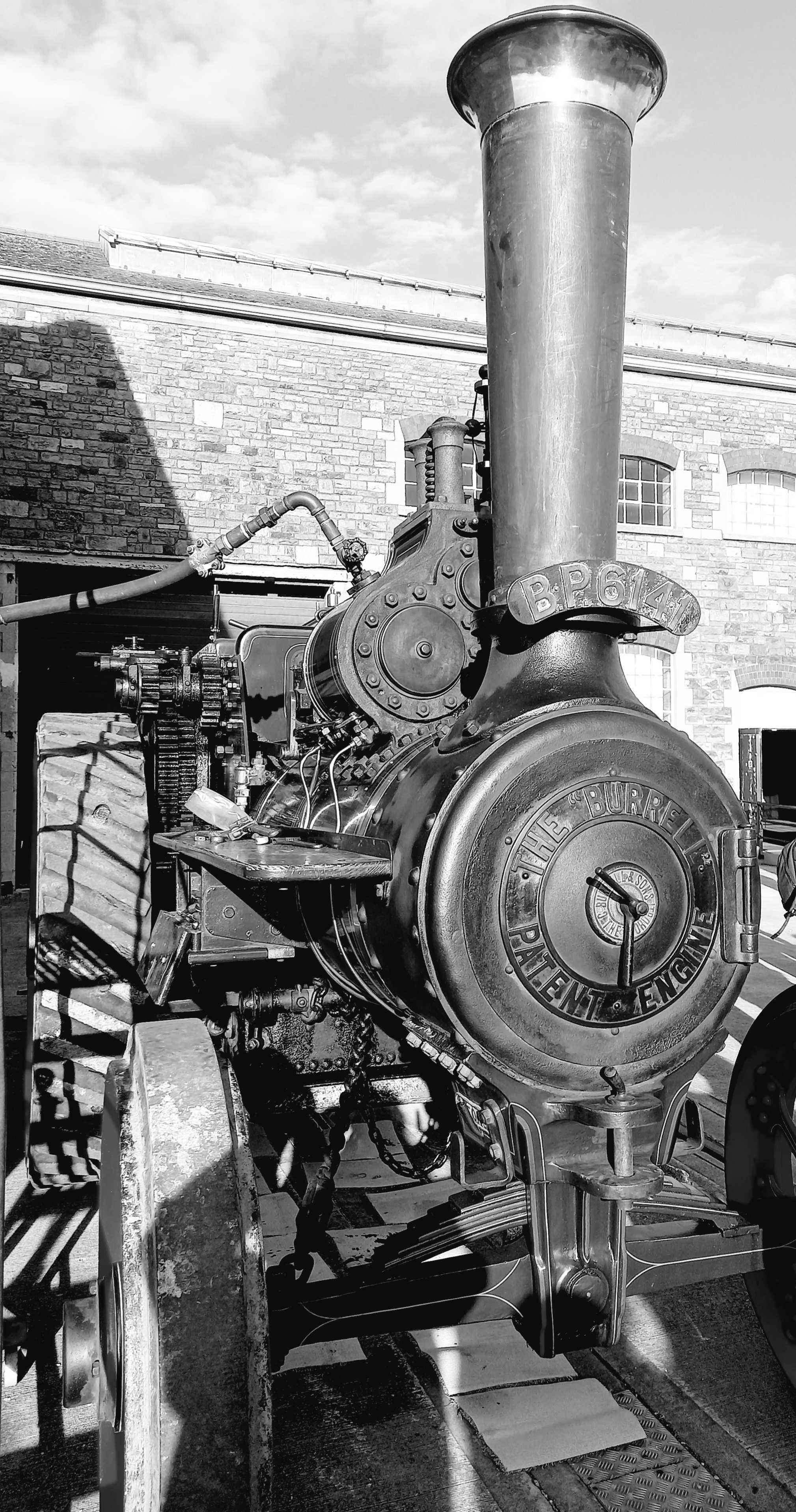
The steamer that made the hooter sound, 2026. Ragman
A boiler on wheels.

North Wessex Downs

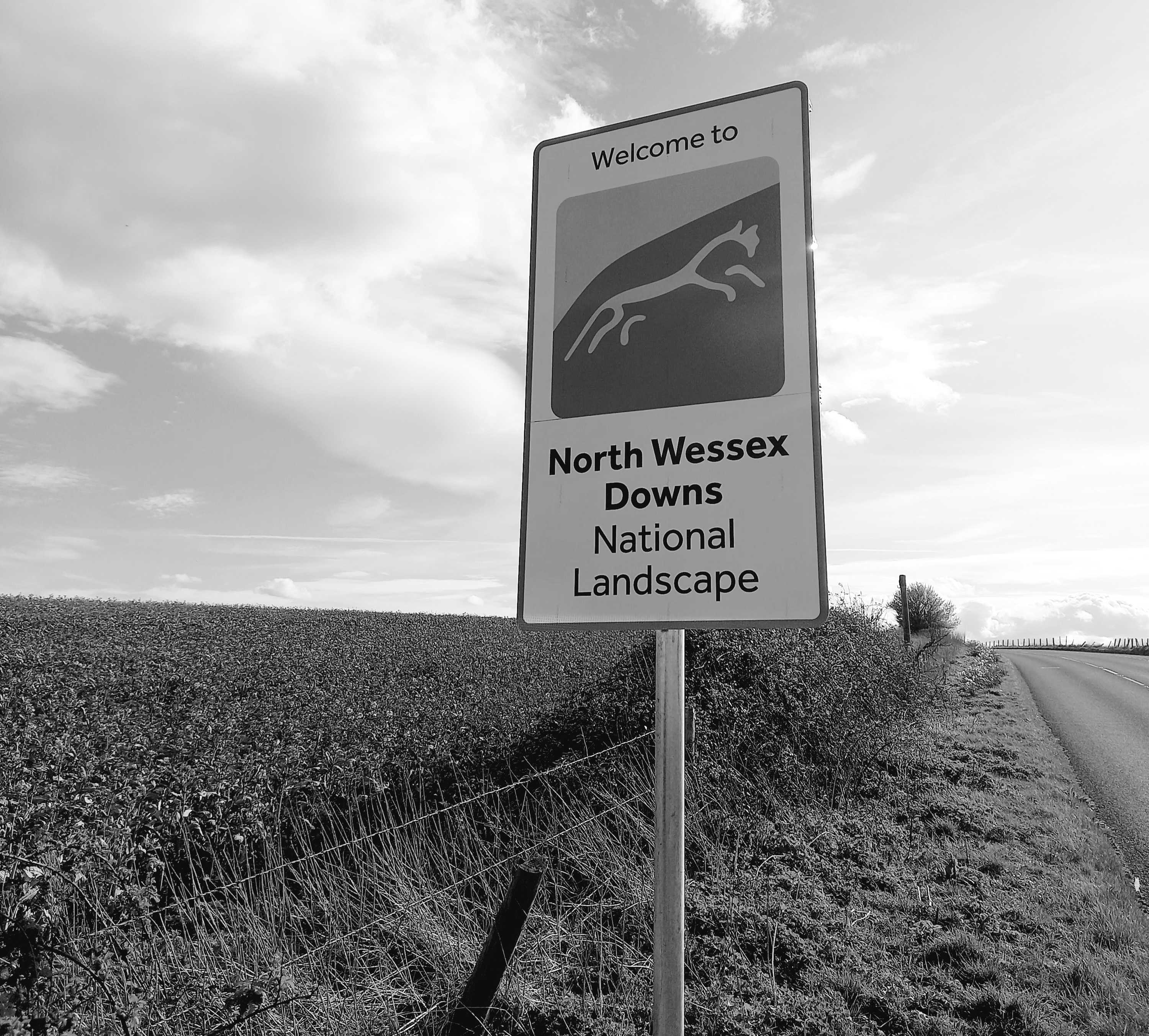
A waymarker that says 'Welcome to North Wessex Downs National Landscape' with a picture of the Uffington White Horse.
A way-marker on the road leaving Wroughton on the way to Avebury, 2026. Ragman

A new way-marker has been put up on the road out to Avebury from Wroughton. It tells of the North Wessex Downs, which are made up of the Malborough Downs as well as other bits of Wiltshire, Berkshire, Hampshire, and Oxfordshire. It is a lovely land of green hills, old towns, standing stones, and white horses.

Wessex is a land that takes up most of the south west of England. It gets its name from the old saxon kingdom that was around here. Wessex was the kingdom of Alfred the Great and it was kings of Wessex that brought together and became the kings of England.

The Hammerman

Alfred Williams was a writer who lived in South Marsden, and earned his bread at the works in Swindon. He is often called 'The Hammerman Poet'. His writings were sometimes with a beat but sometimes not.

His best known work is called 'Life in a Railway Factory'. It tells of his time at the works and things were there. A lot of the book looks at the ways of the folk and their tools, but some of it is about the workers being unhappy. This upset the higher ups. Williams says in the beginning of the book: 'I wished to write out my own experiences and observations simply, and from my own point of view, mistaken or otherwise, without fear or favour to any.'

Swindon Hooter by Stratton

A sound-smith that goes by the name of Stratton, put the hoot to a beat. The beat has words about thinking back and took the sound of the hooter from a tape of it marking thirty years since closing. You can listen to it on SoundCloud.

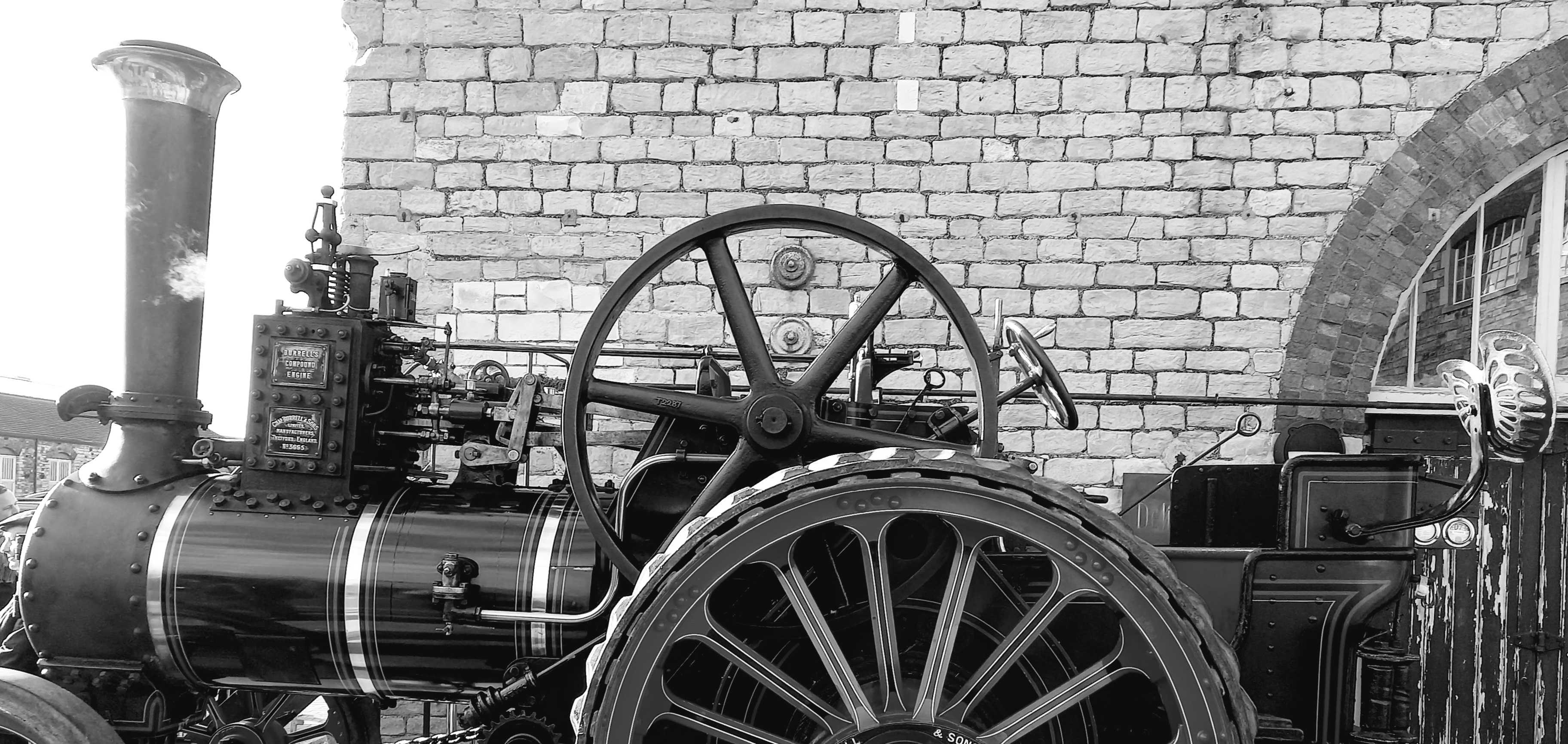
Another look at the steamer, 2026. Ragman
A boiler on wheels, seen from the side.